

Disclaimer Time
We plan to use BLOCKCHAIN technology to innovate conventional investment methods, and create tools to democratize investment in compliance with regulation in Colombia, where this project is located, but not exclusive to their nationals.
We don't promise extraordinary gains, volatility or tokens that could be useful for pumps or money laundering. We don't use referral, piramidal or multilevel estructures. We are in it for the development of our country, capital is a means and a consequence.
Because land, buildings and businesses require work and are not created out of thin air like tokens, we don't give handouts AND we are not responsible if you get scammed in such schemes. Reporting any scam activity or security issue IS work and can be rewarded.
We currently don't conduct any formal business involving cryptocurrencies. When this changes we will notify our users and start complying with reporting requirements to the UIAF and related institutions according to the scope of the movements.

Decentralized Investment+Rent
You already know what ARCA means, this is the other part, our work on Decentralized Investment Access
We are developing the building blocks and compliance framework to allow Colombians (and the world) to invest and rent in local Real Estate and Business through blockchain based value and management tools.
Since regulation doesn’t provide a framework yet, we are starting with a conventional structure to experiment in bridging local law and regulations into a future DAO. Check details about our core operating fronts in the portfolio.
Not the usual
Challenges to Overcome
Our end game is offering the possibility to investors of all sizes to invest and rent from real estate + business opportunities, as easy as buying, staking and selling any other crypto asset.
In the
Local market
- Blockchain RegulationNot adverse to crypto, but there's no specific regulation to integrate it in business models like ours.
- Accounting & ManagementCurrent models and processes could hurt efficiency and decentralization.
- Tech LiteracyMost population still figuring out 1st generation crypto paradigms.
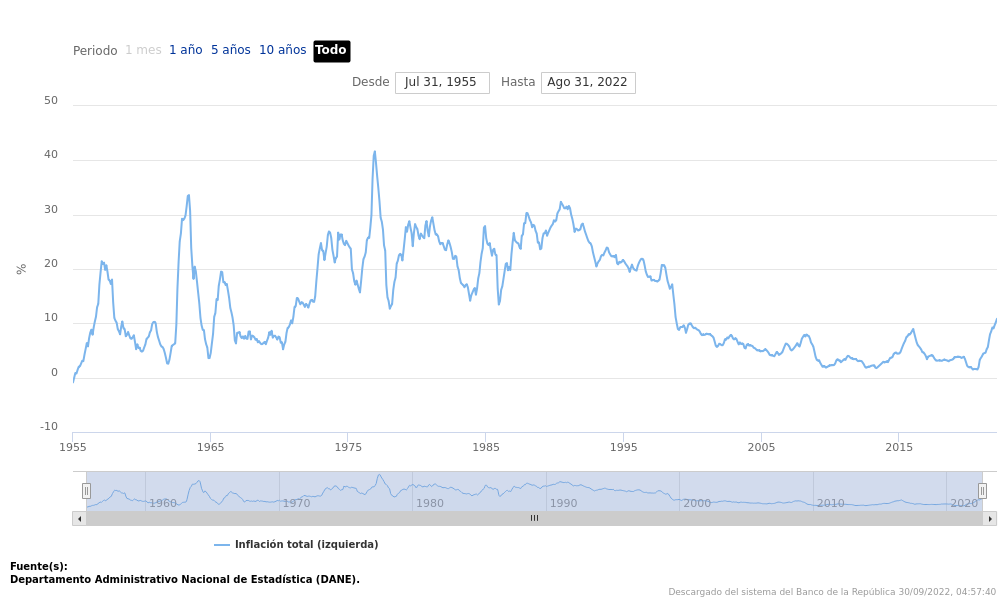
- Economy & PoliticsInflation and political uncertainties too early to start clearing.
For
Global Investors
- Quirky Foreign InvestmentWe are awkwardly friendly to FI but have no framework for crypto FI.
- Taxes & TreatiesHow to bridge crypto with the current benefits to foreign taxation.
- Country Positioning (Marketing)Not a very well known country, until recently shadowed by conflict.
- Benefits For Local ExitsHelping you get your Investor visa implies acting as 'registered agents'.
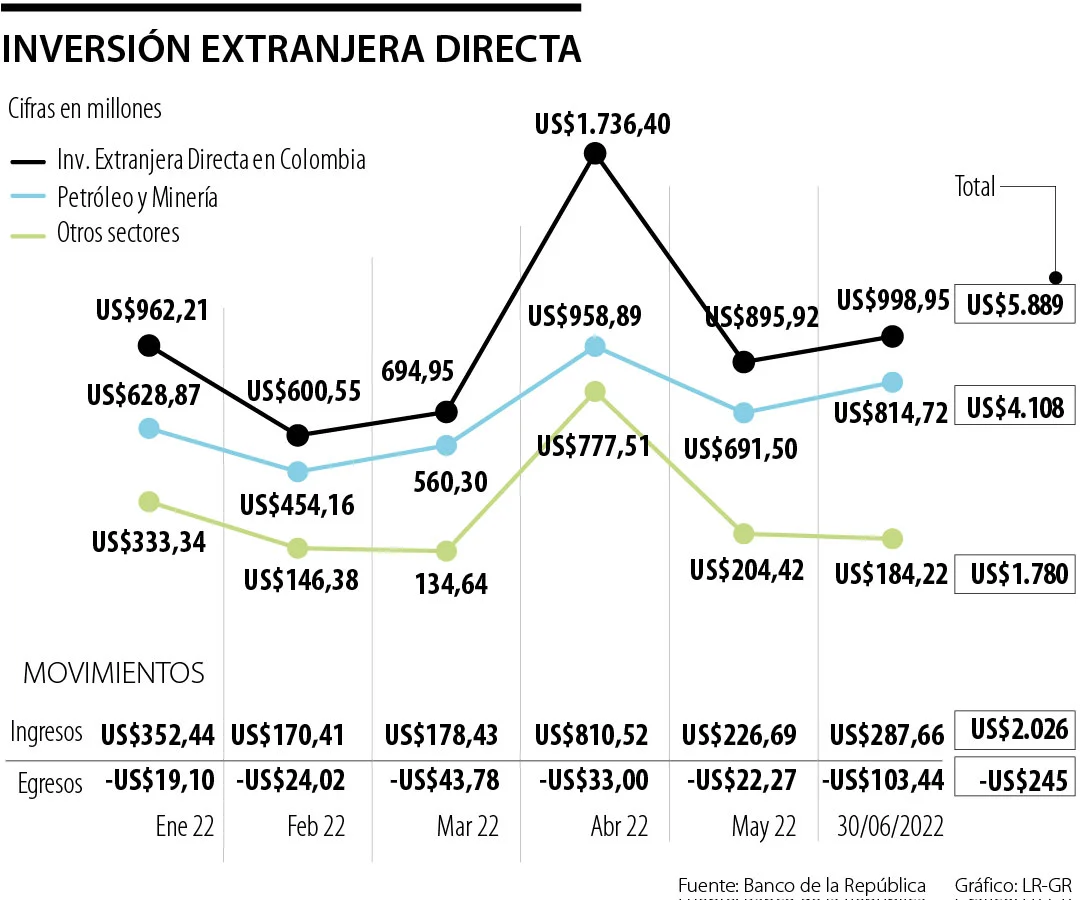
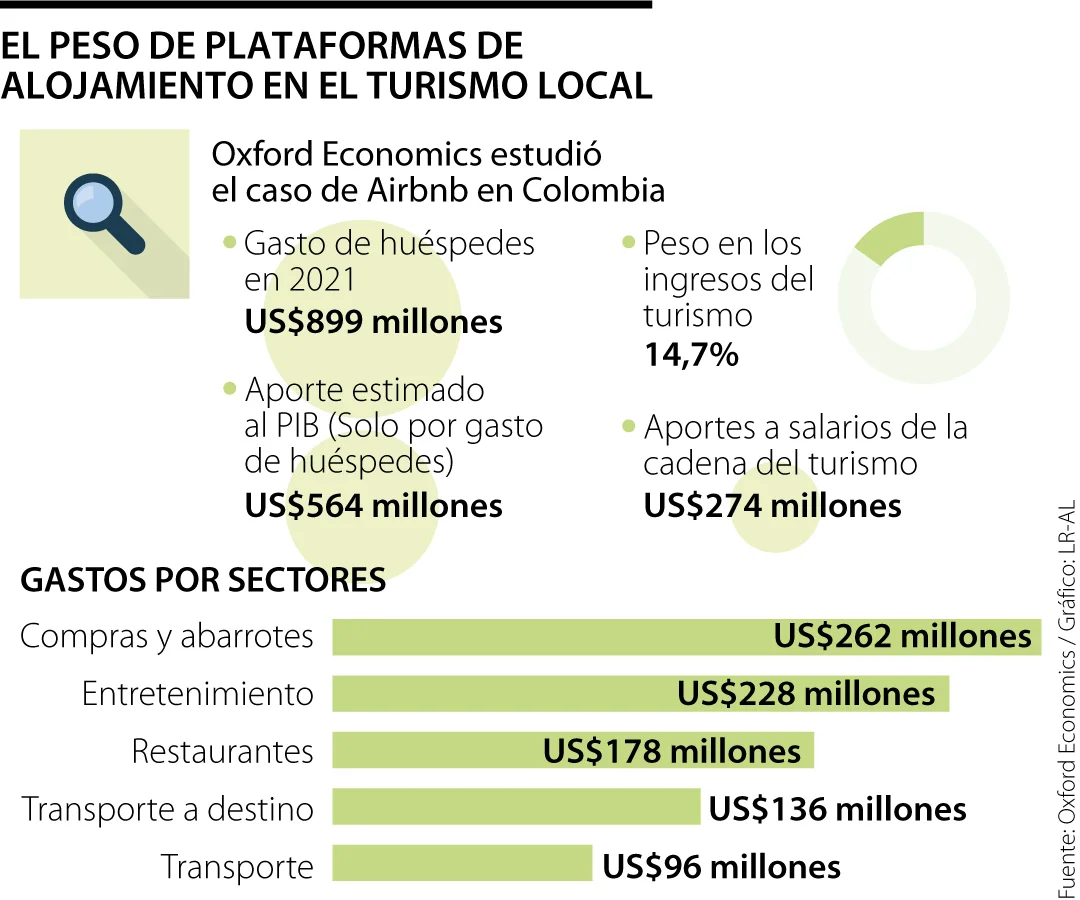
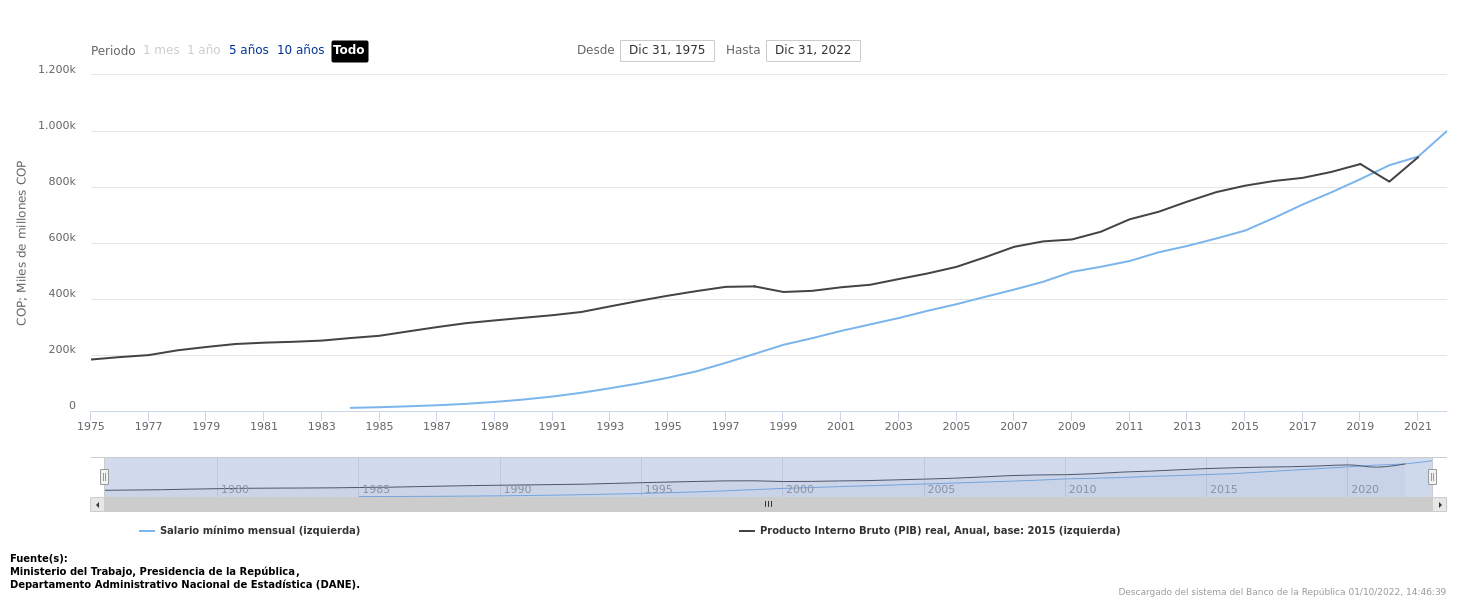
Colombia is already
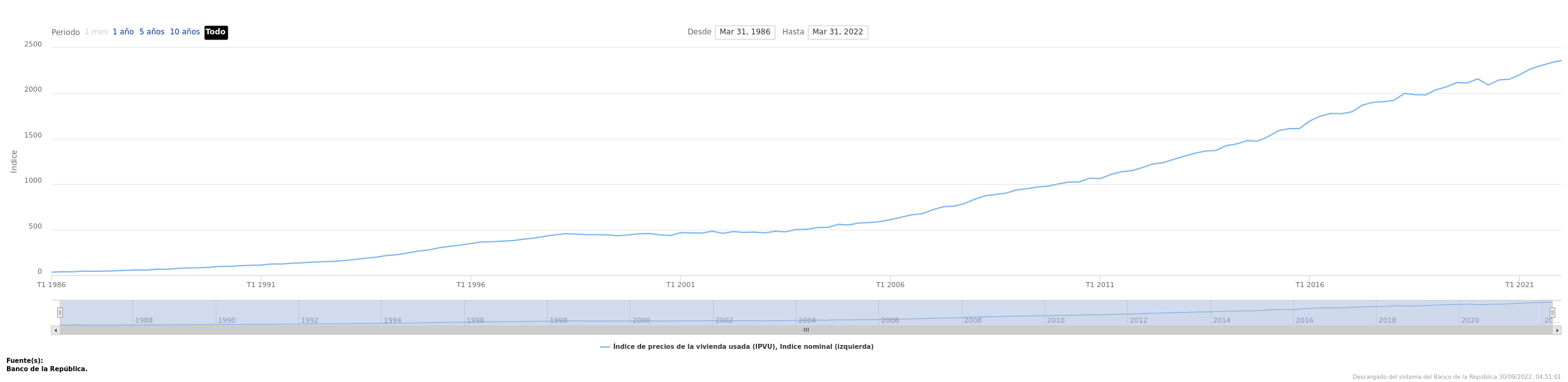
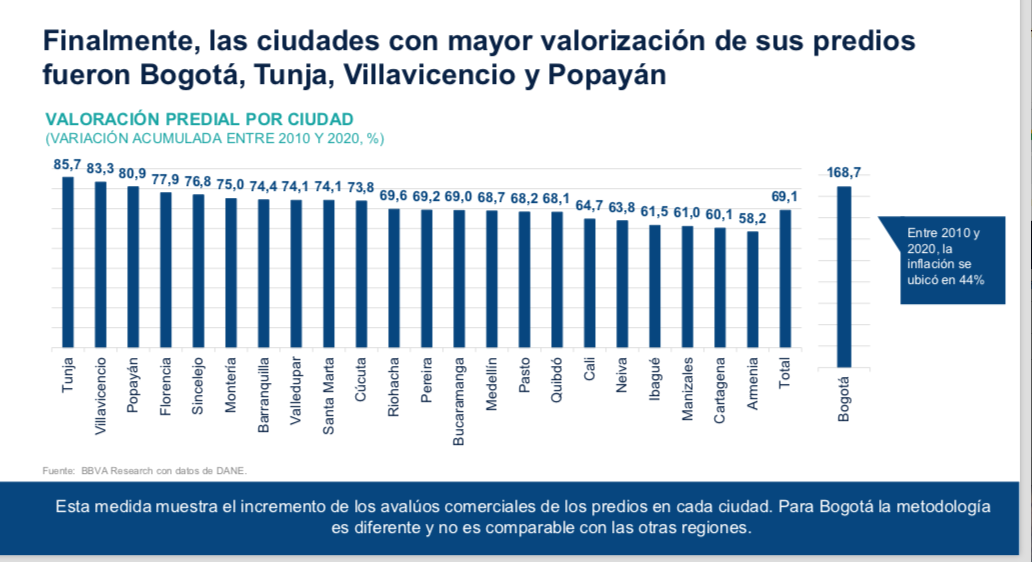
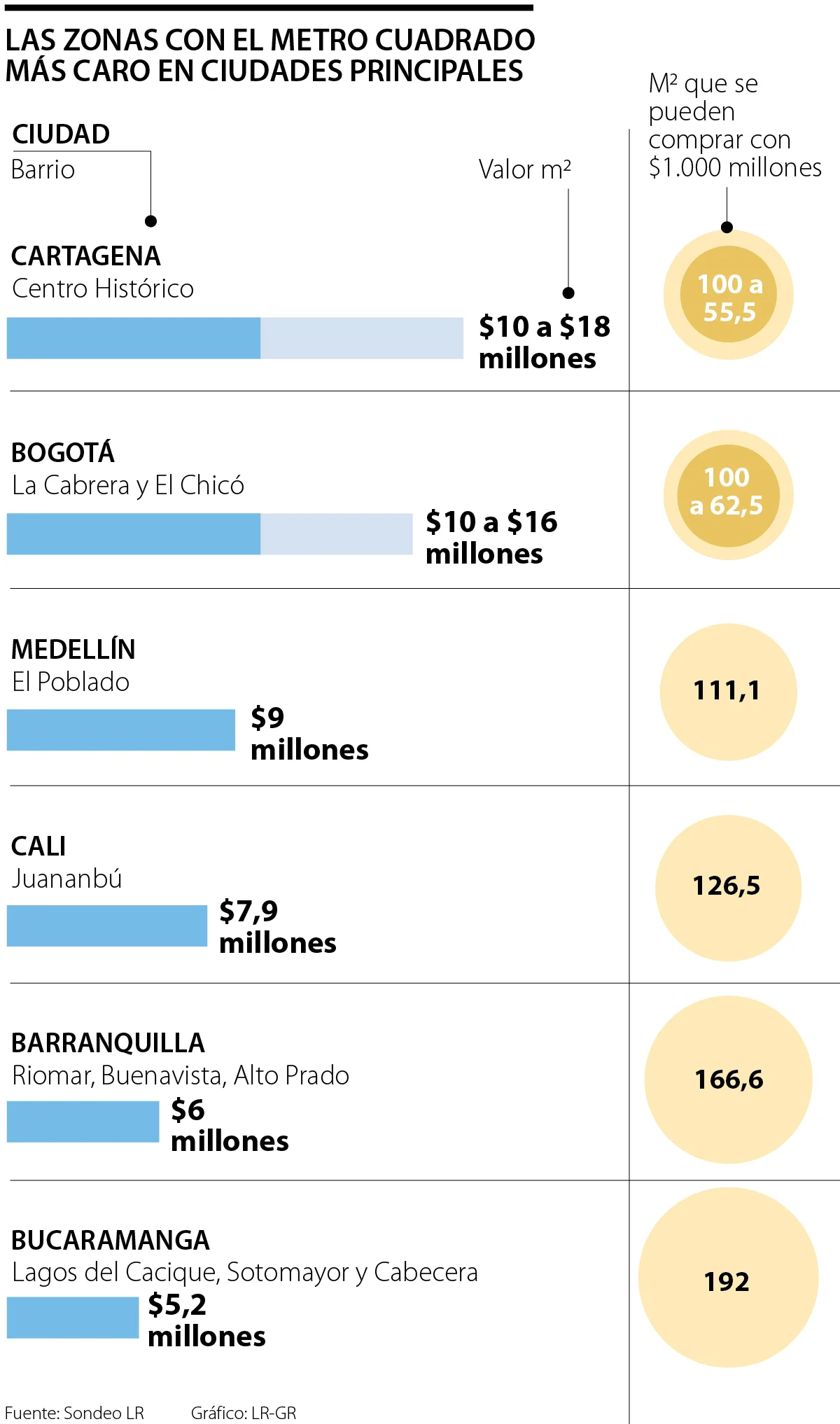
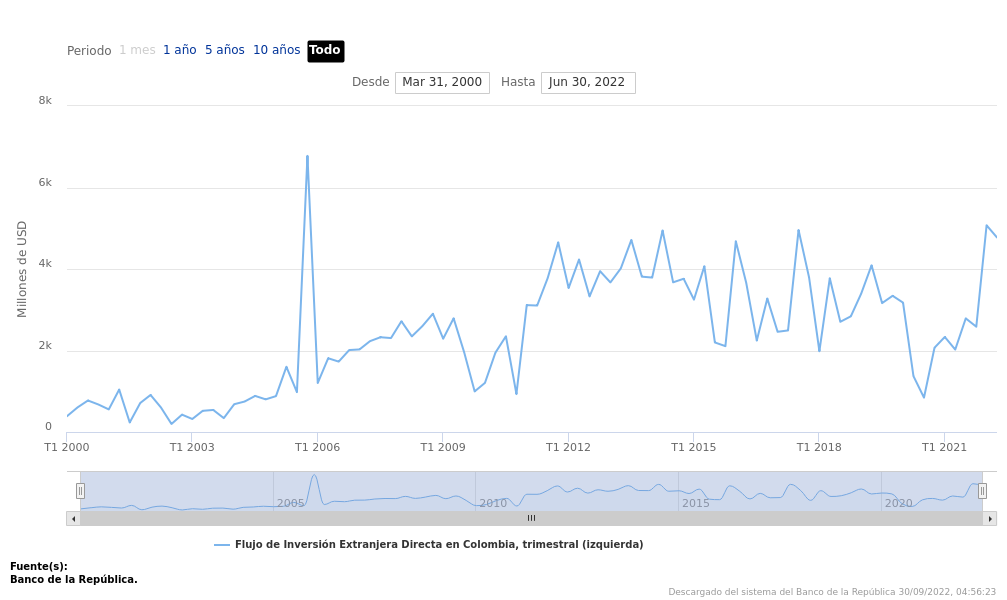
A good investment destination
We just want to make it better, more accessible to starting investors, both local and foreign.
Source: WB via Trading Economics
Source: Trading Economics
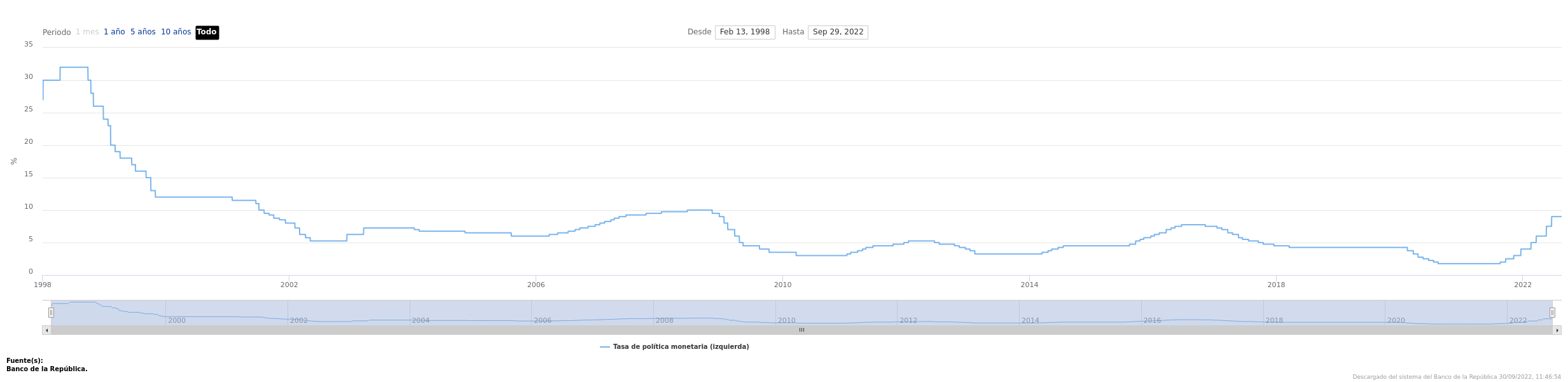
Source: BANREP
The |state| of crypto
regulation in Colombia
Solving the specific challenges of this project unlocks a huge range of opportunities of investment in the vertical and in unrelated markets. This is the core of the whitepaper we are preparing, where explaining the how is a legal and procedural exercise, rather than a coding and algorithmic one. As of October 2022 there is no single, specific, crypto regulation, different institutions address their own concerns and set their own policies.
BANREP: Cryptos are not currencies
Banco de la Republica, our FED equivalent, started addressing crypto since 2014 stating that cryptocurrencies are not actual currencies, not being backed by a government etc. Pretty much the same view of most central banks. The central points of their press releases and statemens are:
- 1Colombian peso (COP) is the only legal monetary and accounting unit in the country.
- 2Cryptoassets are not recognized as legal tender, nobody's obligated to receive them.
- 3Cryptoassets are not recognized as (foreign) currency.Hence, they can't be used in (forex) exchange operations, like registering foreign investment.
- 4Financial institutions and stock markets are not authorized to mint or sell cryptoassets.
- 5Established a workgroup to study the market and regulate as needed.
- 6BANREP joined the R3 (Corda) initiative enabling the establishment of a sandbox environment.
SFC: Regulated entities can't crypto.
Superintendencia Financiera de Colombia is our FINRA/SEC equivalent, an oversight and vigilance entity. They are in charge of setting up the sandbox for evaluating blockchain based business in the context of a future specific regulation, works more or less like a waiver.
- 1Supervised Entities (SEs) can't hold, invest, intermediate, or operate with crypto assets.Neither allowed to use their platforms for operations related with them.
- 2"Electronic coins, crypto coins or virtual coins" are not securities.Not part of the local stock market, not a valid investment for SEs which can't advise or operate on them.
- 3SEs can't offer custody, invest, intermediate, or operate with "Virtual Coin Systems"Same as the first one but geared toward some pyramidal schemes and other informal investments
- 4Statements to the public with generic warnings and precautions, some quotes:
- 4.1"their acceptance is very limited"
- 4.2"They are not backed by tangible assets"
- 4.3"Exchanges are not regulated by local law"They are now at least in the sandbox, exchanges informed the users.
- 4.4"operational risks like virtual account stealing"
- 4.5"they are not backed by any private or state warranty"What is a smart contract. And no warranty from the state is the original POC of crypto anyway.
- 4.6"transactions are anonymous"
DIAN: Crypto pay taxes like any other capital gain
Dirección de Aduanas e Impuestos Nacionales is our IRS equivalent, like many others started to pay attention in 2017. Their positions are based on the 2014 FATF document and not much different from most taxation opinions regarding cryptocurrencies. But they only address this scenario and not all the other types of crypto assets. AML is though due to WoD and preventing the missuse of what we develop should be baked in the fundamentals.
- 1Is not clear if they think a "bitcoin" is a phisical coin with a "virtual representation"That only works when is connected to the internet
- 2Crypto mining might creates estate and produces rent, at the very least, is providing a service.
CTCP: We can't clasify this, checks too many boxes.
Translated Technical Council of Public Accounting dictates the standards by which companies should report their numbers. They are implementing the NIIF standard and base their points on that, which doesn't provide specific guidelines for crypto assets. These views apply mostly to handling crypto in business accounting.
- 1Policies for one type of CA might not work for another.accountants should evaluate each asset
- 2Cryptoassets meet the definition of assets.
- 3Not FIAT or FIAT equivalent
- 4Like gold bullion, it may be liquid but no contractual value so is not a financial instrument
- 5A cryptocoin can't be classified as an investment property.
- 6They are an intangible asset as long as there is an active market.
- 7CA commerce can be treated like listed raw materials exchange.
Sources:
The info in this regulation summary is taken from the “Documento Técnico Cryptomonedas” which is published by BANREP and compiles a unified stance based on the multiple sources and opinions in the matter. The document also includes an overview and comparison with regulation in other countries, mostly in the region. [PDF]

Inviting angels and VCs to manifest their interest in becoming Internal Investors.
Before we are able to request funding for our RE projects, we need to fund our initial operations and staff. As you may have noticed, this is a project in which the legal and procedural should be the main focus at first, rather than a technical development. We can’t do the later if the former is not solid.
Internal investors are selected based on their experience and affinity with our project’s environment and goals. Market cap and funding objectives are modest so tickets might be limited. That’s why we think in the founders’ potential for advising and execution as a multiplier in relation to the size of their investment. Please use our Whitelisting form to let us know your interest.